
Furnace Filter Replacement
About This Project
Replace the old, dirty furnace filter with a new one to improve air quality and HVAC efficiency.
Tools & Materials
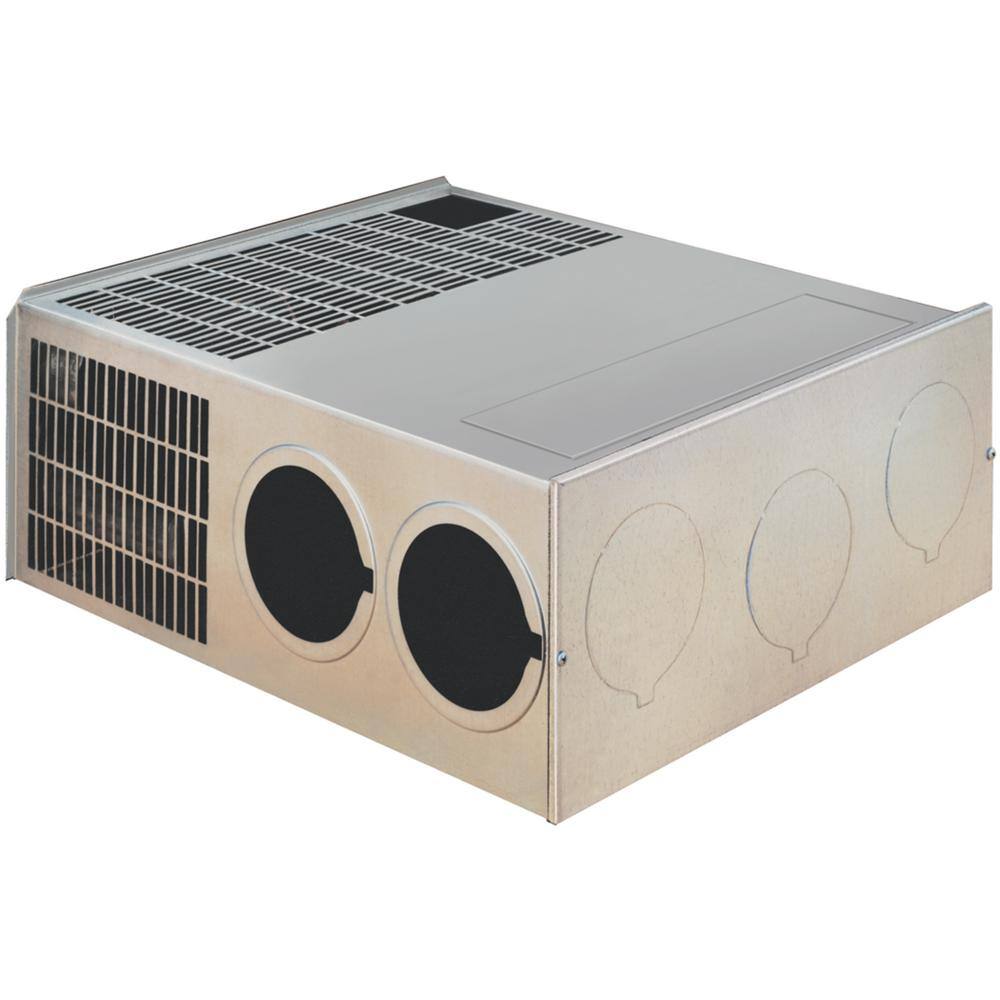
SF-F Series Low Profile Furnace, 30,000 BTUs 2558A

Master Flow 12 in. x 8 in. x 4 ft. Half Section Rectangular Duct RD12X8X48
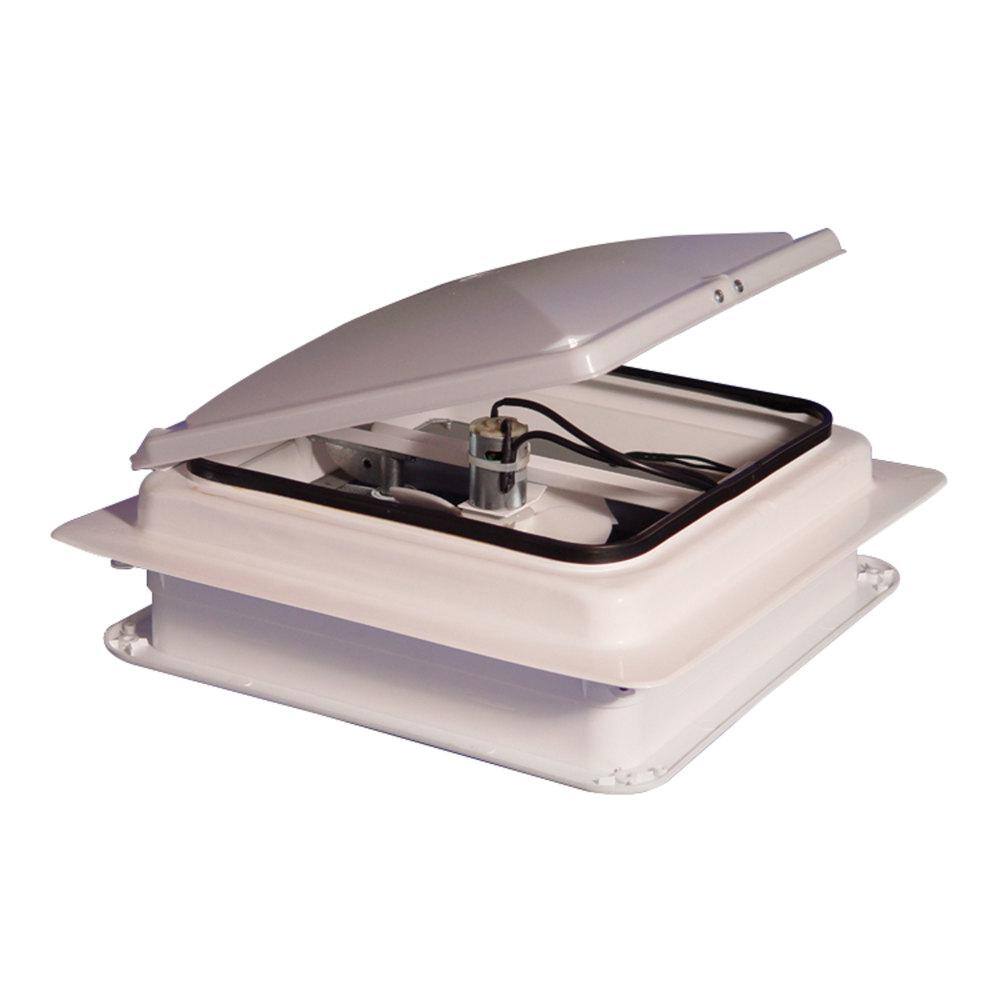
Heng Power Vent with Switch V071112-C1G1
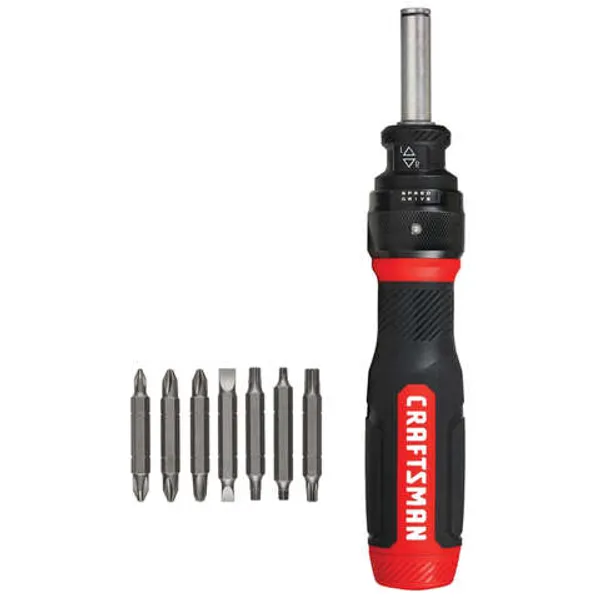
Screwdriver

ACDelco Air Filter A212CW
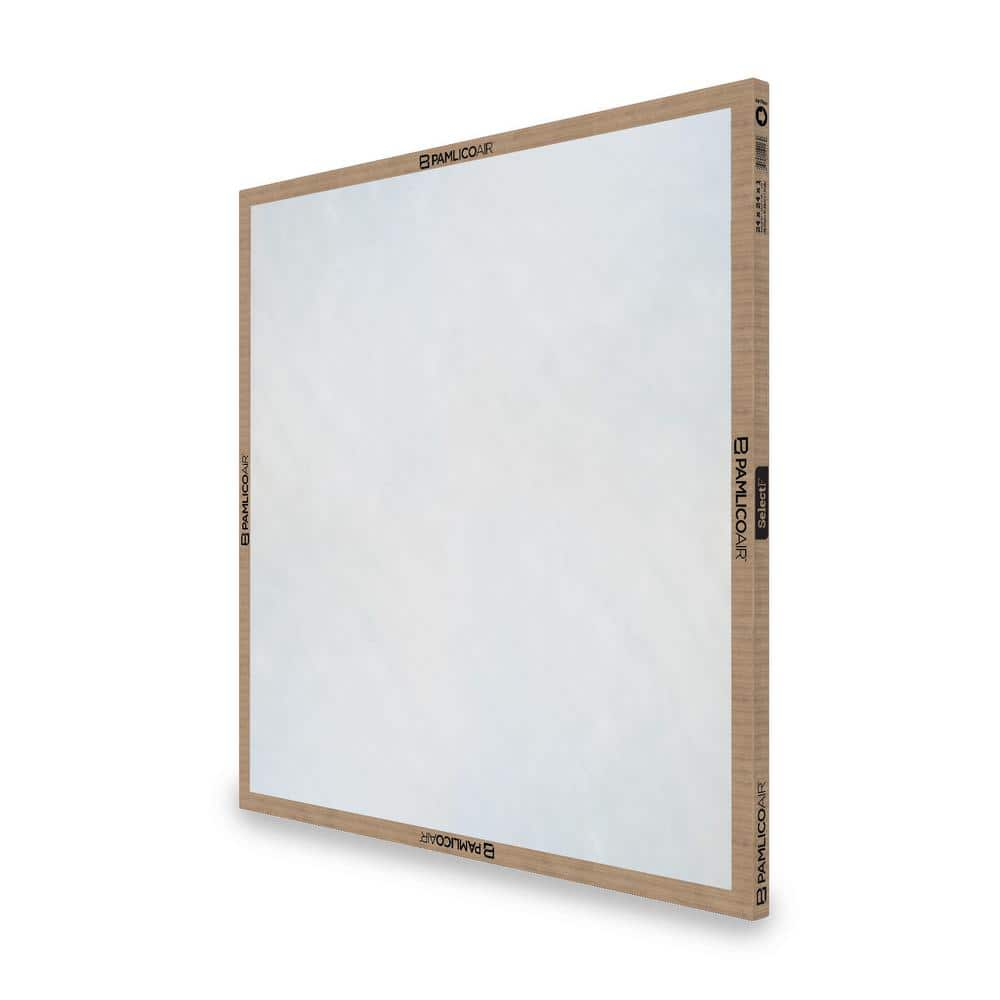
Pamlico Air 20 in. x 20 in. x 1 in. Fiberglass Furnace Air Filter, MERV 1 11004-012020
SF-F Series Low Profile Furnace, 30,000 BTUs 2558A
At only 7-1/2 in. tall, these quiet yet efficient low-profile ducted furnaces feature multi-ported stainless teel burners, sealed forced draft combustion, automatic direct spark ignition and low amp draws.
Master Flow 12 in. x 8 in. x 4 ft. Half Section Rectangular Duct RD12X8X48
Master Flow's sturdy Rectangular Duct is used as the main trunk lines in HVAC supply systems. Two L sections snap together to form the rectangular duct. Sold in "L" sections. Two pieces must be ordered
Heng Power Vent with Switch V071112-C1G1
Power Vents Power Lift and Switch Acrylic UV-resistant translucent lid conforms to Federal Motor Vehicle Safety Standard (FMVSS) No. 205 glazing materials. Hand crank opens and closes the lid securely.
Screwdriver
A tool used to turn screws.
ACDelco Air Filter A212CW
With more than 100 years of experience, we know how to help filter out the bad stuff. ACDelco GM Oil Filters, Fuel Filters, Transmission Filters and Air Filters are manufactured from quality materials
Pamlico Air 20 in. x 20 in. x 1 in. Fiberglass Furnace Air Filter, MERV 1 11004-012020
Effectively captures household dust and other contaminants. Has a MERV rating of 2. Lasts for up to 90 days and protects the HVAC system.
Steps

Locate the Furnace Filter
2 minutesThe furnace filter is typically located in one of two places: either in a slot on the side of the furnace itself, or in the return air duct connected to the furnace. Look for a metal or plastic grille that is designed to be opened.
Watch: Locate Furnace Filter

Open the Filter Compartment
3 minutesDepending on your furnace model, the filter compartment may have latches, clips, or screws. Release any latches or clips, or unscrew any fasteners securing the grille or cover. Carefully remove the cover to expose the old filter.
Watch: Open Filter Access Panel
Remove the Old Furnace Filter
2 minutesGrasp the old filter and slide it out of the compartment. Note the airflow direction arrow on the filter; this indicates the direction air flows through the filter and furnace. You will need to install the new filter in the same orientation.
Watch: Replace Filter

Insert the New Furnace Filter
2 minutesLocate the airflow direction arrow on the new filter. Insert the new filter into the compartment, making sure the arrow points in the same direction as the old filter's arrow (which is typically towards the furnace). Slide the filter in until it is fully seated.
Watch: Insert New Furnace Filter

Common Problems
Forgetting to turn off the furnace's power before replacing the filter, which is an electrical safety hazard.
Solution: Immediately turn off the main power switch to the furnace (often located on the furnace unit or a nearby wall switch resembling a light switch). Confirm it's off by trying to adjust the thermostat and ensuring the furnace doesn't respond.
Prevention: Always make 'Turn Off the Furnace' the very first step you consciously complete before touching anything else on the unit. Verbally confirm to yourself that the power is off.
The new filter you bought does not fit the filter slot because it's the wrong size.
Solution: Remove the new filter. Double-check the dimensions printed on the old filter (e.g., 20x20x1 inches) or consult your furnace manual. Return the incorrect filter and purchase one with the exact matching dimensions.
Prevention: Before buying a new filter, always check the exact dimensions (length, width, and thickness) printed on the old filter currently in your furnace. Write it down or take a photo to ensure you buy the correct size.
The new furnace filter is installed backward, causing inefficient airflow or potential furnace damage.
Solution: Remove the new filter. Look for an arrow printed on the filter frame, which indicates the direction of airflow. Reinsert the filter so this arrow points towards the furnace (usually towards the blower motor or away from the return air duct).
Prevention: Before inserting the new filter, locate the airflow direction arrow. Take a moment to verify which way it should point relative to your furnace's air intake and blower.
Screws on the filter compartment cover are stripped or seized, making it difficult to open or close.
Solution: If the screws are just tight, apply firm, steady pressure with the correct size screwdriver. For slightly stripped screws, try using a flathead screwdriver that can wedge into one side of the Philips head. For severely stripped screws, you might need a screw extractor kit. If the compartment cover is stuck, gently wiggle it or tap around the edges, but avoid forcing to prevent damage.
Prevention: Always use the correct size and type of screwdriver (Philips head or flathead) that fits the screw snugly. Turn slowly and apply steady pressure to avoid stripping. If you encounter resistance, stop and assess the situation.
The filter compartment is extremely dirty with excessive dust, pet hair, or debris, making a mess when changing the filter or hindering new filter insertion.
Solution: Before inserting the new filter, use the RIDGID 1-7/8 in. Dusting Brush Accessory Shop Vac Attachment for RIDGID Wet Dry Vacuums VT1701 to thoroughly vacuum the inside of the filter compartment. For stubborn grime, use a slightly damp Quickie 14 in. x 14 in. Microfiber Cloth Towel (ensure the area is dry before inserting the new filter).
Prevention: Regularly replacing your furnace filter (every 1-3 months) helps prevent extreme build-up. Always have your vacuum and cleaning cloths ready before starting the filter change.
After replacing the filter, the furnace does not turn on or makes unusual noises.
Solution: First, double-check that the furnace's main power switch (from step 2) has been turned back on. Then, ensure the filter compartment door is securely closed and latched; many furnaces have safety switches that prevent operation if the door is open. Finally, check your thermostat settings to ensure it's set to 'heat' and above the current room temperature. If strange noises persist, re-check the filter's direction and ensure it's seated properly without obstruction.
Prevention: Methodically complete all steps, especially ensuring the power is fully restored and the compartment is properly sealed, before attempting to restart the furnace. Pay attention to any loose parts or debris during the cleaning process.
Frequently Asked Questions
What's the most important safety precaution I should take before changing my furnace filter?
Always turn off the power to your furnace at the thermostat and/or the main power switch near the furnace itself before opening the filter compartment. This crucial step prevents the system from accidentally turning on while you're working, protecting both you and the appliance from potential injury or damage.
How often should I replace my furnace filter, and how can I tell if it needs changing?
Most furnace filters, especially basic fiberglass or pleated ones like the Pamlico Air or HDX, should be replaced every 1-3 months. If you have pets, allergies, or live in a dusty environment, you might need to change it more frequently. Visually inspect the filter; if it appears visibly dirty, dusty, or clogged, it's time for a replacement.
What kind of furnace filter should I buy, and what do the MERV ratings mean?
First, check your existing filter or furnace manual for the correct size dimensions (e.g., 14x30x1 inch for the HDX filter). MERV (Minimum Efficiency Reporting Value) ratings indicate how effectively a filter removes particles from the air. Higher MERV ratings (like the MERV 13 of the HDX filter) offer better filtration for allergens, but always ensure your specific furnace model can handle a higher MERV filter without restricting airflow, which could damage the unit.
Do I need any special tools to replace my furnace filter, or can I do it with basic household items?
Generally, you won't need many specialized tools. A screwdriver might be necessary if your furnace filter compartment has latches or screws. A microfiber cloth (like the Quickie towels) and a shop vacuum with an attachment (like the RIDGID dusting brush) are highly recommended for cleaning dust and debris from the compartment before inserting the new filter.
What are some common mistakes beginners make when replacing a furnace filter?
A common mistake is installing the filter backward; always ensure the airflow arrow on the filter points towards the furnace. Another error is neglecting to clean the filter compartment thoroughly with a cloth or shop vac before putting in the new filter, which can lead to dust recirculation and reduced efficiency. Also, ensure the new filter is the correct size to prevent air from bypassing it.
My old filter seems stuck, or I can't easily locate the filter compartment. What should I do?
Most filter compartments have a simple latch or slide-out slot. If the filter is stiff, try gently wiggling it while pulling. If you can't find the compartment, consult your furnace's manual for its location, which is typically in the return air duct directly before the blower fan. Never force a stuck filter, as you could damage the HVAC unit.