How to Diagnose and Fix a Gurgling Toilet
About This Project
This guide provides a comprehensive, step-by-step process for diagnosing and resolving the issue of a gurgling toilet. A gurgling sound is typically a symptom of negative air pressure within the plumbing system, caused by a partial or complete blockage in a drain pipe or plumbing vent stack. The instructions will guide you from the simplest potential fixes to more complex solutions, addressing the root cause to restore proper drainage and eliminate the noise.
Best for advanced DIYers and professionals with basic plumbing knowledge and familiarity with power tools. Requires HDX Indoor Safety Glasses Clear (1-Pack) VS-9300, clear and Heavy Duty Latex Gloves and Ladder.
Tools & Materials
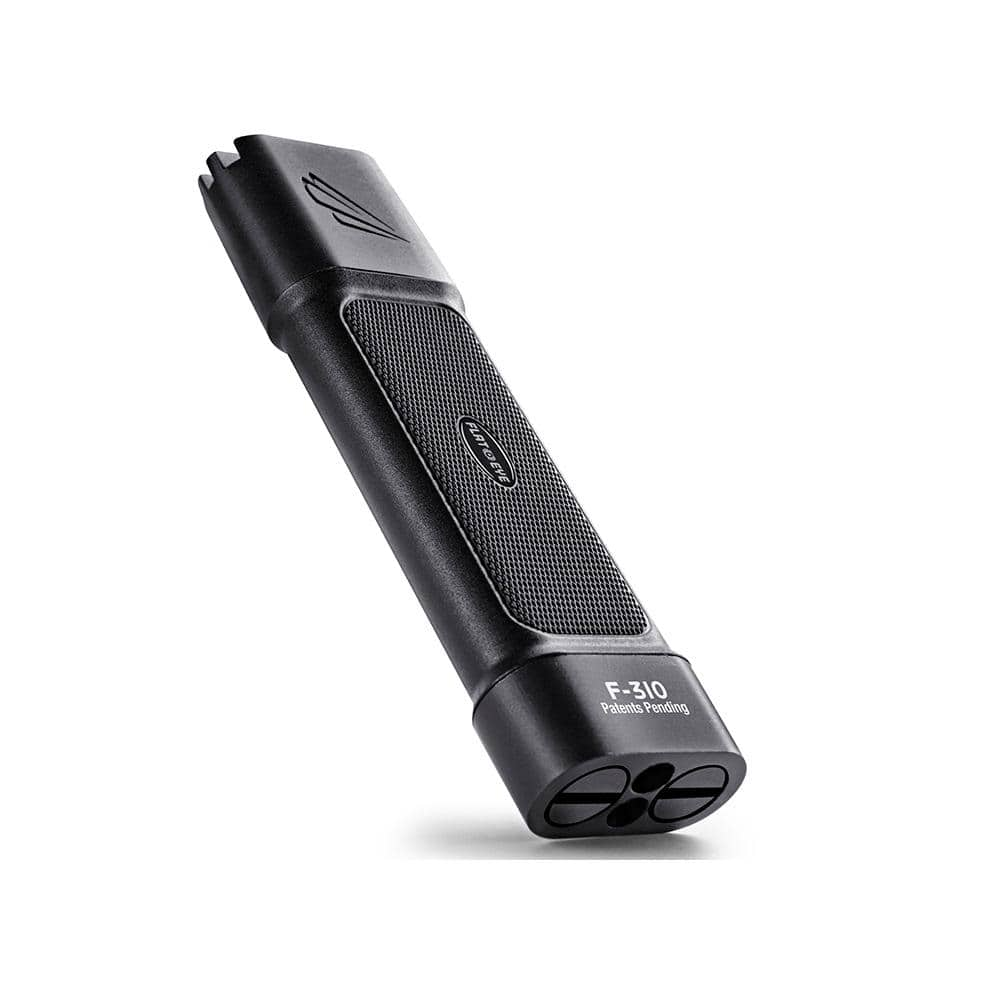
Panther Vision FLATEYE F-310 High Performance 310-Lumen Unround Flashlight CREE LED Multi Position Waterproof and Shockproof FL-6960
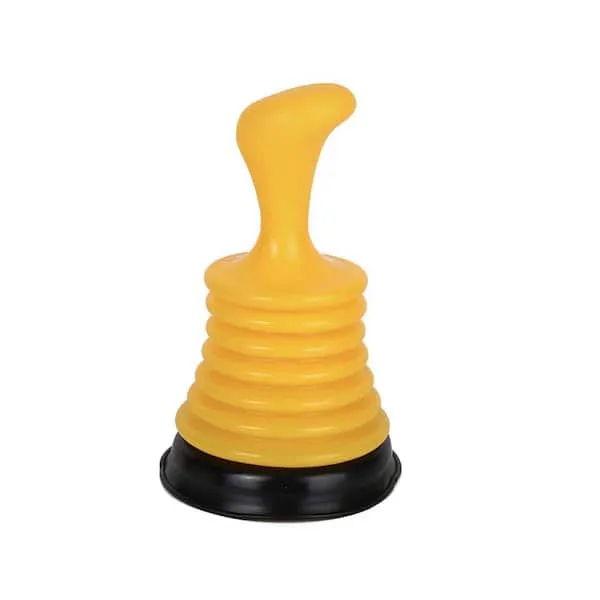
Plunger

Heavy Duty Latex Gloves
WYPALL L40 Towels, Dry Up Towels, 19-1/2 in. x 42 in., White, 200 Towels/Roll KCC05860
LED UV Backlight Flashlight 900221

Ladder
Panther Vision FLATEYE F-310 High Performance 310-Lumen Unround Flashlight CREE LED Multi Position Waterproof and Shockproof FL-6960
Every revolution starts with a spark. At 310-Lumens the F-310 has the power to ignite our un-round revolution without overpowering your needs or your wallet. Not your granddads flashlight these bad boys
Plunger
Clears blockages with a push.
Heavy Duty Latex Gloves
Protection during intense tasks.
WYPALL L40 Towels, Dry Up Towels, 19-1/2 in. x 42 in., White, 200 Towels/Roll KCC05860
WYPALL L40 Wipers are effective wipers that absorb liquids lightning-fast. These wipes are made of bonded cellulose using DRC (double re-creped) technology for strength, softness and absorbency. As a wiping cloth, it soaks up liquids fast, but all you'll feel is softness, thanks to a plush, touchable outer layer. In fact, it's a popular choice for patient wiping in healthcare industries, for bathing and patient drying. These utility wipes are specially designed to absorb liquids, lubricants and oils (in restaurants for wiping counters, in mechanic shops, industrial and commercial factories and more), yet they're soft enough for use on face and hands. Experience the difference in superior absorbency and cleaning at your home or office today. Towel/Wipe Type: Dry Wipes; Application: Bathrooms; Material(s): Cloth-Like; Number of Plies: 1.
LED UV Backlight Flashlight 900221
This ultra-bright 28 LED UV blacklight flashlight has a durable rugged aluminum construction design. This blacklight flashlight will make scorpions glow brilliantly, illuminating and revealing themselves
Ladder
Reach new heights safely.
Steps
Observe and Diagnose the Symptoms
10 minsBegin by confirming the exact symptoms. A gurgling toilet is a sign of air being pulled through the P-trap, indicating a pressure imbalance. Flush the toilet and listen for the gurgle. Then, run water in the nearby sink for 30-60 seconds and observe if the toilet gurgles. Do the same with the shower or tub. If using other fixtures causes the toilet to gurgle, and if other drains are slow, it strongly indicates the blockage is not in the toilet itself, but further down the shared drain line or in the plumbing vent stack.
Watch: Diagnose the Issue
Plunge the Toilet
5 minsBefore disassembling anything, attempt to clear the toilet's own trap with a flange plunger. While a simple clog here doesn't usually cause gurgling with other fixtures, it's a quick and easy step to rule out. Place the flange plunger into the toilet bowl, ensuring the flange extends into the drain opening to create a tight seal. Push down gently to expel air, then plunge vigorously up and down 10-15 times, maintaining the seal. This can dislodge any partial blockages contributing to the problem.
Watch: Clear the Drain
Inspect the Plumbing Vent Stack on the Roof
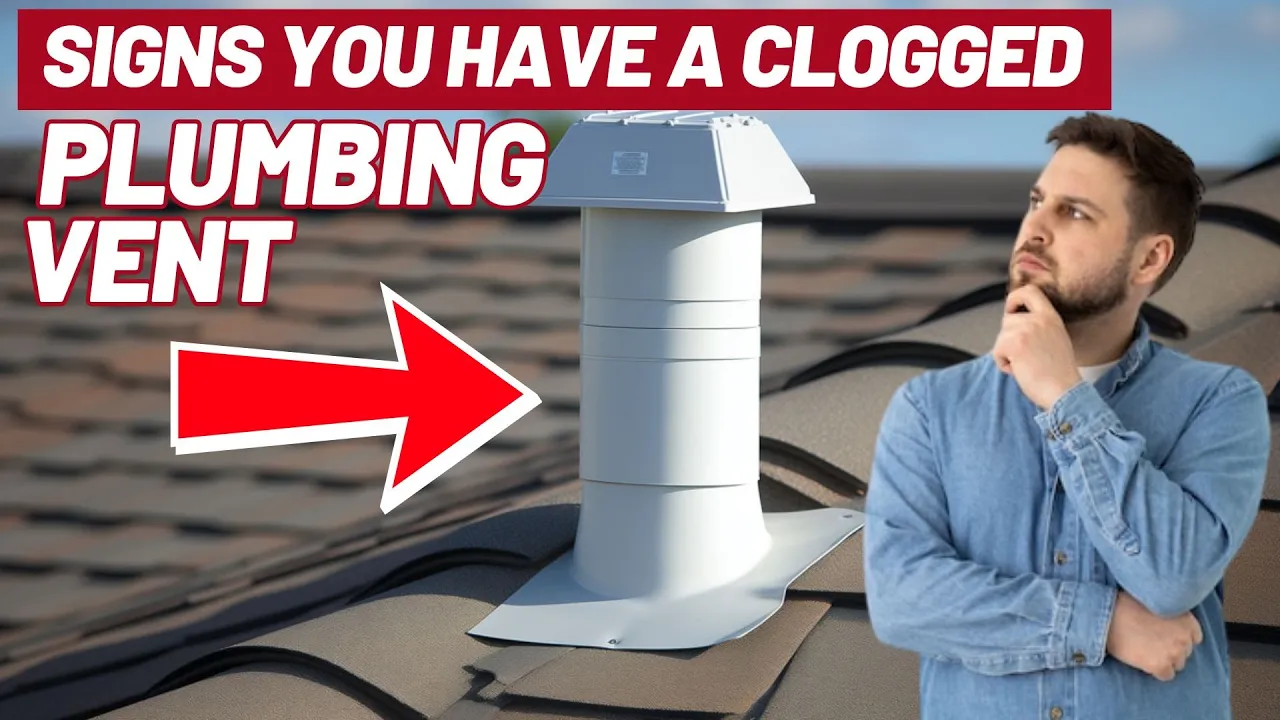
30 minsSince the diagnostics suggest a clogged vent stack, you must safely access your roof. Position a sturdy ladder on level ground, extending it at least 3 feet above the roofline. Wear non-slip, rubber-soled shoes. If possible, use a safety harness clipped to a secure anchor point. Once on the roof, carefully locate the plumbing vent, which is a short pipe, usually PVC or cast iron, sticking out of the roof. Use a flashlight to look down into the vent pipe opening to identify any obvious blockages like leaves, twigs, a bird's nest, or even a child's toy.
Watch: Clean the Vent Pipe with a Vacuum
Clear the Blocked Plumbing Vent
45 minsOnce a blockage is identified or suspected in the vent, it must be cleared. If the blockage is near the top, you may be able to pull it out by hand (while wearing work gloves). For deeper clogs, the most effective method is to use a garden hose. Have a helper on the ground turn the water on and off. Insert the hose into the vent and have your helper turn on the water. The pressure can often dislodge leaves and other soft debris. For more stubborn clogs, feed a drain auger (snake) down the vent pipe. Rotate the handle to break up the obstruction, then flush again with the hose to wash the remnants down the pipe.
Watch: Verify and Clean Up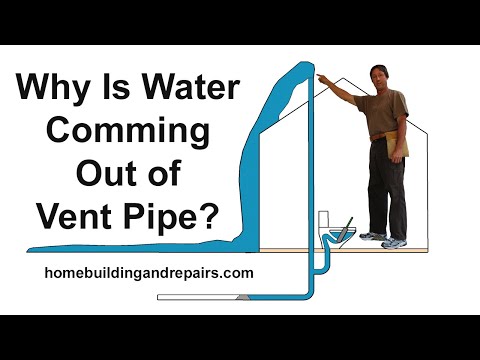
Inspect and Clear the Main Sewer Line
1 minIf clearing the vent stack does not solve the problem, the issue may be a significant clog in the main sewer line. Locate your main line cleanout, a large (3-4 inch) pipe with a threaded cap, typically found in the basement, crawlspace, or outside your home's foundation. Place a bucket and towels under the cleanout plug to catch any spillage. Using a large pipe wrench, slowly turn the plug counter-clockwise to open it. If water immediately flows out, the clog is downstream (between the cleanout and the street). If it's dry inside, the clog is upstream (between the cleanout and your fixtures). Clearing this type of clog usually requires a large, powerful drain auger, which can often be rented. Due to the difficulty and potential mess, this step is often best left to a professional plumber.
Watch: Assess Result and Clean UpCommon Problems
Inadequate plunging leads to recurring clogs and gurgling.
Solution: It's all about the plunger. A good quality plunger will provide much better results.
Plunger won't create suction, making plunging ineffective if overflow isn't blocked.
Solution: Blocking the overflow is a critical step for effective plunging in a bathtub.
Be careful not to plunge too aggressively at first, as it can cause dirty water to splash everywhere.
Solution: To avoid this issue: Be mindful of this warning and take appropriate precautions.
Toilet plunger won't create suction, leaving you with an ineffective attempt to clear a clog.
Solution: For extra leverage on the upstroke (suction), you can hold the rubber cup down with your free hand to maintain a tight seal.
Be cautious when entering crawlspaces or unfinished basements. Look out for potential hazards like sharp objects, pests, or wiring.
Solution: To avoid this issue: Be mindful of this warning and take appropriate precautions.
A gurgling toilet can indicate a blocked P-trap, leading to slow drains and odors.
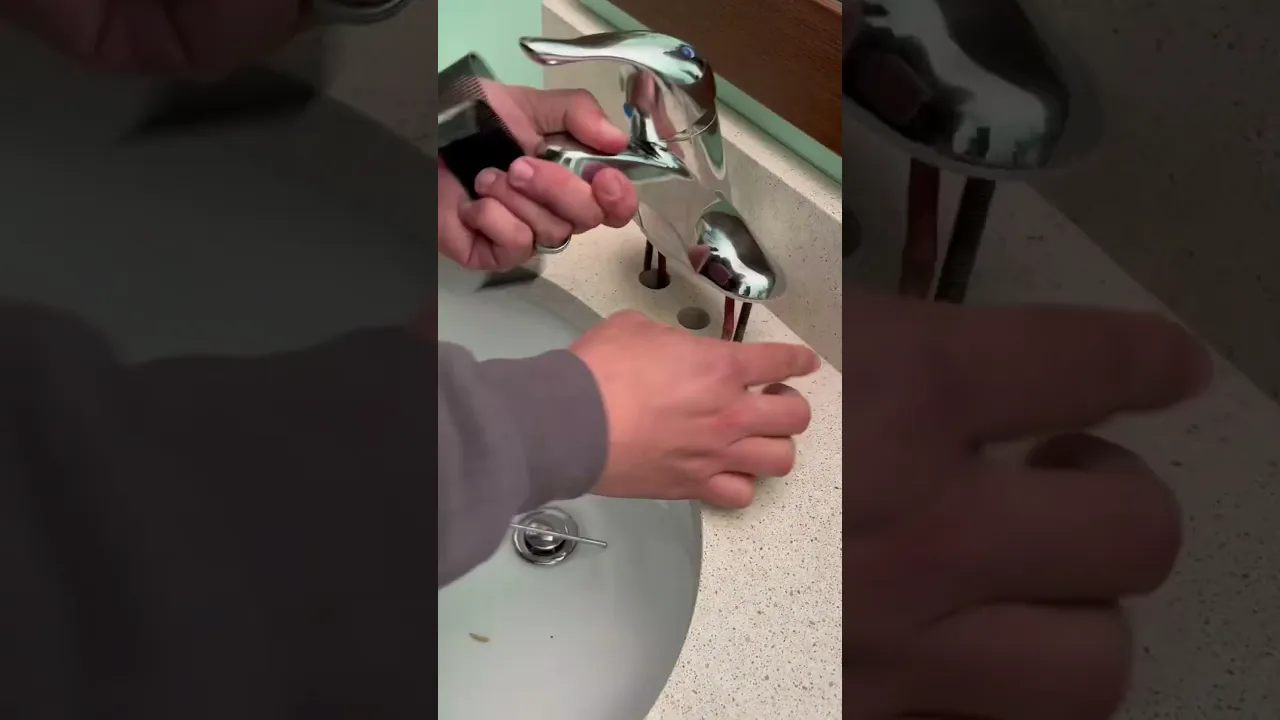
Solution: The video shows a correctly installed P-trap under the bathroom sink (0:01-0:08) as a reference for what a proper installation should look like.
A standard plunger doesn't create a tight enough seal, making it ineffective for clearing toilet clogs.
Solution: For toilets, a flange plunger provides a better seal than a standard cup plunger.
Frequently Asked Questions
How difficult is it to fix a gurgling toilet, and how much time should I expect it to take?
This project is rated as "beginner" difficulty. Many issues can be resolved quickly with a plunger. However, if the problem lies in the vent stack, it can become more involved and potentially require roof access. Expect to spend anywhere from 30 minutes to 2 hours, depending on the cause and whether you need to clear the plumbing vent.
What are the essential tools I absolutely need to have before attempting to fix my gurgling toilet?
At a minimum, you'll need a high-quality plunger and heavy-duty gloves. If plunging doesn't work, a drain auger (plumbing snake) is crucial for clearing deeper clogs. For vent stack issues, a sturdy ladder, garden hose with a spray nozzle, and potentially a pipe wrench are also necessary.
What are the most important safety precautions I should take when diagnosing and fixing a gurgling toilet?
Always wear heavy-duty latex gloves and work gloves to protect yourself from unsanitary water and potential chemicals. If accessing the roof to clear the vent stack, use a sturdy ladder placed on level ground, wear slip-resistant shoes, and consider having a spotter. Be cautious when operating a drain auger to prevent injury or pipe damage.
I've plunged my toilet multiple times, but it's still gurgling. What should I try next?
If plunging doesn't resolve the gurgling, the issue is likely a partial blockage further down your main sewer line or, more commonly, in your plumbing vent stack. The next step is to use a drain auger to clear the main line cleanout, or proceed to inspect and clear the plumbing vent from your roof as outlined in the project steps.
Can I use a chemical drain cleaner to fix a gurgling toilet instead of manual tools?
While chemical drain cleaners might seem like an easy solution, they are generally not recommended for gurgling toilets, especially if the problem is a vent blockage. They can be corrosive, potentially damage pipes, and are often ineffective against the types of blockages that cause gurgling. Manual tools like plungers and augers are safer and more effective at addressing the root cause.
My toilet only gurgles when I drain water from another fixture (like a sink or shower). What does this symptom indicate?
This specific symptom is a strong indicator that the problem is a blocked or partially blocked plumbing vent stack, not just a clog in the toilet itself. The draining water from other fixtures creates negative air pressure that pulls air through your toilet's trap, causing the gurgle. You will most likely need to access and clear the vent from your roof.